

Concert d'ouverture
Quintet for Piano and Strings in F minor, Op. 34 Composed between 1862 and 1864 When one evokes the pinnacles of Romantic chamber music, Brahms's Quintet in F minor inevitably ranks among the masterpieces. It was not a work born in a single moment, but the fruit of a long process of maturation. First conceived as a sonata for two pianos, then transformed into a string quintet, it reached its definitive form—for piano, two violins, viola, and cello—in 1864, thanks in part to the guidance of Clara Schumann, the composer's muse and faithful friend. This work impresses with its dramatic impact, emotional intensity, and architectural richness. In it, Brahms displays a rare mastery of form and counterpoint, while exploring the deepest contrasts between lyricism, rhythmic tension, and passionate expressiveness. The first movement, Allegro non troppo, opens with a powerful, somber, and solemn theme. The dialogue between piano and strings is tense, almost orchestral at times, in an extended sonata form of near-symphonic proportions. The second movement, Andante un poco adagio, brings a temporary calm. The mood is more introspective, almost suspended, imbued with bittersweet lyricism and great poetry. The third movement, Scherzo: Allegro, is one of the most impressive in the entire Brahmsian repertoire. Energetic, edgy, almost menacing, it contrasts with a more sedate central trio, before plunging back into a striking conclusion. Finally, the finale, preceded by a slow introduction (Poco sostenuto), is both tense and vigorous. In an inexorable surge, Brahms brings the accumulated tensions to a dramatic coda of rare intensity. This quintet is much more than a chamber music work: it is a true tragic and passionate fresco, expressing all the emotional depth and inner complexity of a 30-year-old Brahms. It is undoubtedly one of his creative peaks, combining classical heritage with a fully romantic emotional power.
More infos Get a ticket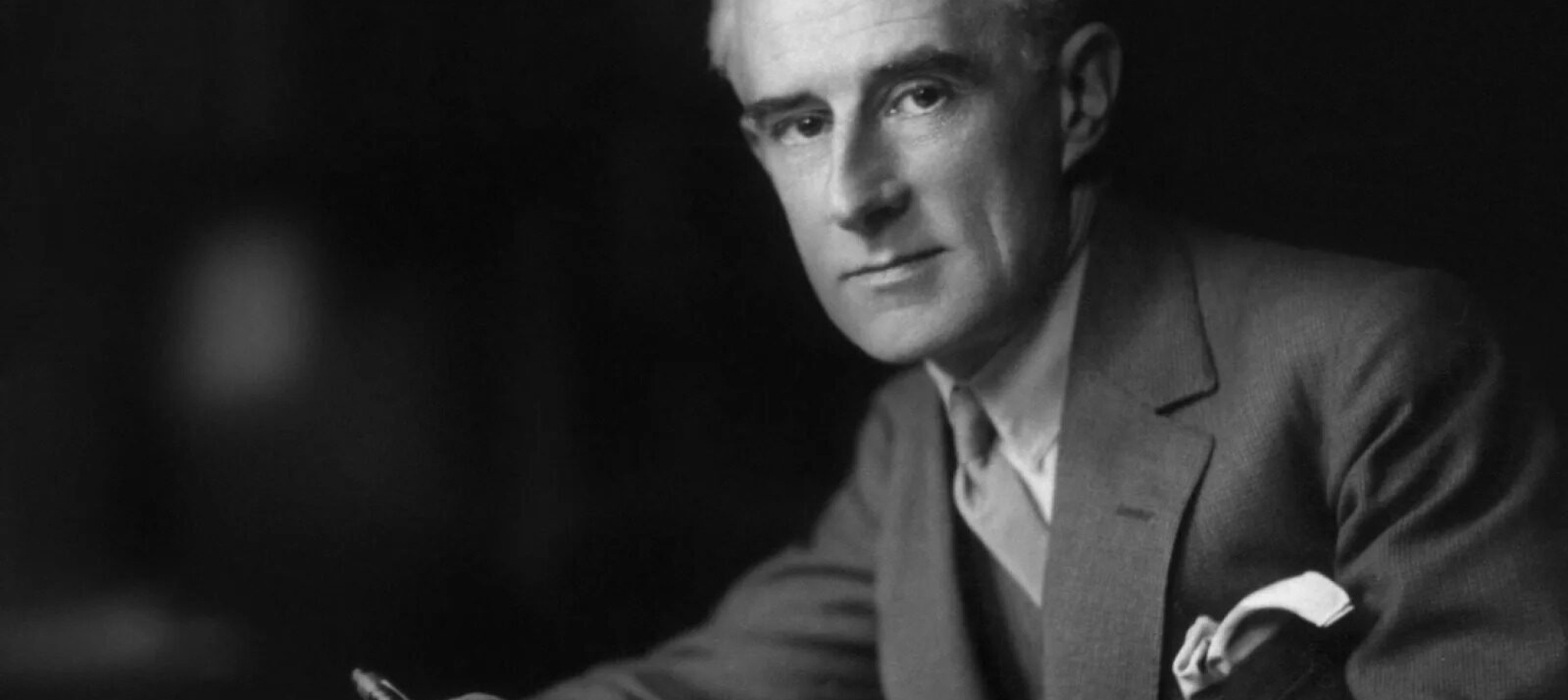

«Une heure avec…»
Guitar recital by Philippe Mouratoglou
More infos Get a ticket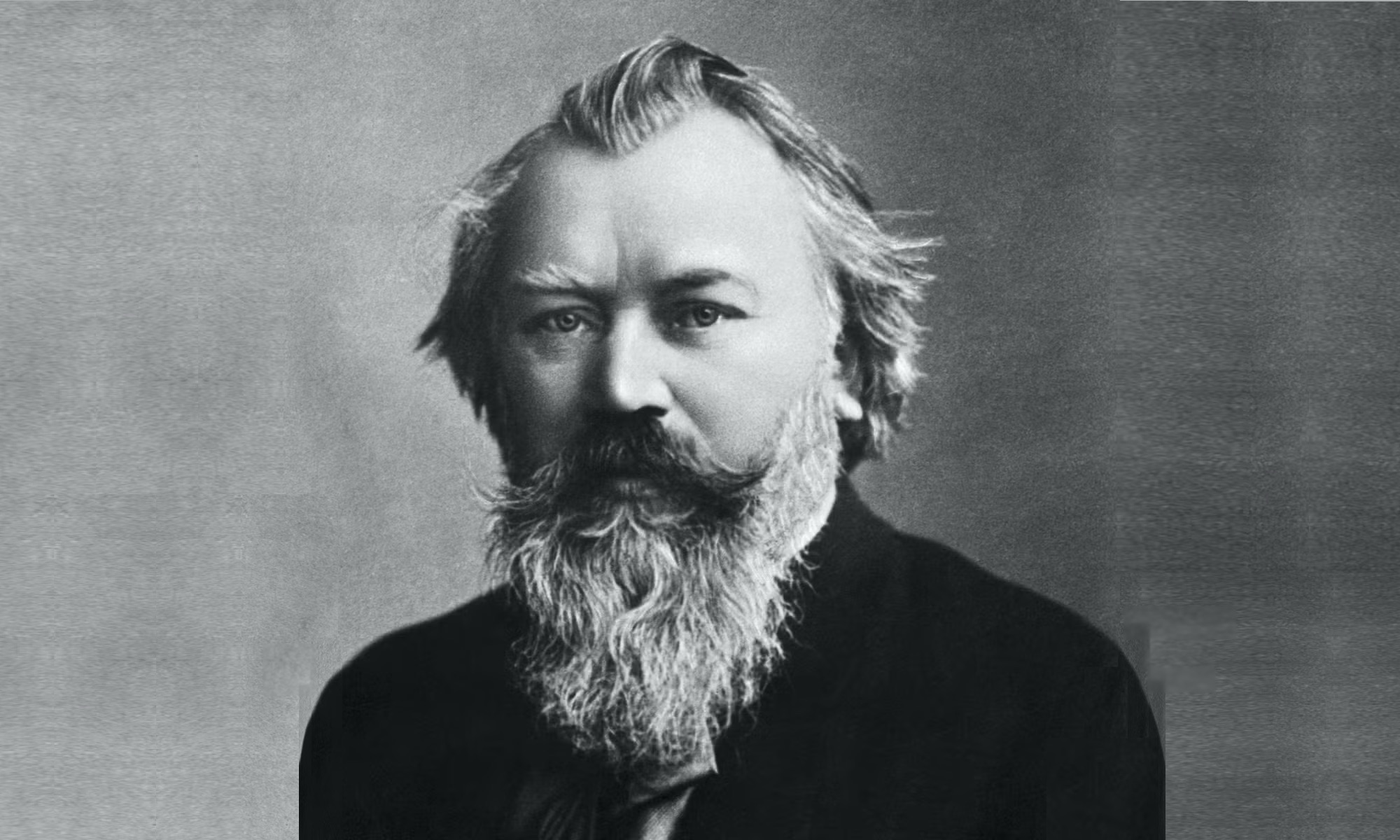
Concert de Clôture
Beethoven's 5th Sonata Beethoven's 5th Sonata, Opus 102 No. 2, is the last in a cycle of sonatas for cello and piano that spanned the years 1796 to 1815. Cellists are fortunate to be able to cover Beethoven's three major creative periods with just five sonatas. Although "Beethoven was always Beethoven," one can agree that, living from 1770 to 1827, he was as much a witness as a participant in the transition from Classicism to Romanticism. As a (very turbulent) student of Joseph Haydn, he mastered classical forms and was already adept at twisting them at will. Then, swept along by the "Sturm und Drang" wave, at the turn of the century, he wrote the most beautiful Romantic works ever written. And, around 1815, after a surprisingly sterile period, he opened the door to a definitive style that continues to surprise and move. This sonata, opus 102, no. 2, is above all a masterpiece of invention and emotion. The first movement exhibits total freedom of form, with very short themes that sometimes follow one another without transition, and very marked contrasts. The second movement, an adagio that borders on the sublime through the length of its phrases, a constant lyricism, and a palette of emotions ranging from the deepest despair to the greatest bliss, is music that is pervaded by a spiritual breath. Similar passages can be found in the 9th Symphony, the "Hammerklavier" sonata, and the Missa Solemnis. At the end of this movement, the music becomes sparse, tends towards silence, and dies to give rise to the third movement: a fugue. The fugue occupies the largest space in Beethoven's late works; it is the most elaborate compositional technique in music, consisting of bringing themes together while allowing them to stand on their own. This art of counterpoint, championed by Johann Sebastian Bach, had fallen into relative disuse since the mid-18th century, the spirit of the times being ill-suited to the cerebral rigor of the fugue. Beethoven seized upon it and pushed the technique to its climax in the "Great Fugue," Op. 133, of which Stravinsky said: "contemporary music, contemporary forever." Certainly, the composer seems to be having fun developing his complex structure, but what about the listener? The great pleasure of listening to the fugue is first of all to feel the puzzle taking shape live, to follow the themes passing from one voice to the next, but above all to feel the energy emanating from this progressive elaboration; A fugue, particularly by Beethoven, cannot leave one indifferent. Our 5th Sonata is remarkable in the sense that it is one of the first works to reflect all aspects of Beethoven's late style. Thus, in retrospect, we have been able to identify guidelines in Beethoven's output by evoking one, two, or three different styles. Nevertheless, Beethoven never ceased to be himself; an ultra-modernist spirit, a compositional genius who knew how to touch all audiences, and a man who, although traversed by the deepest tragedies, never ceased to express joy or believe in human brotherhood. A true Romantic hero.
More infos Get a ticket